Why Do High-Traffic Workplaces Need More Frequent Cleaning
By lunchtime, a busy workplace looks like it has already put in overtime. The entrance has collected whatever came in on everyone’s shoes, fingerprints are back on the glass, the break room has produced crumbs nobody remembers making, and one trash can is getting dangerously confident.
That doesn’t mean anyone dropped the ball that morning. People are very good at leaving little signs that they were there. With commercial cleaning in Norwich, noticing where those signs show up first is how you keep a high-traffic workplace clean.
What areas of a workplace collect the most dirt during the day?
Some corners mind their own business for hours. Others attract every shoe and stray crumb in the building. Once you know which spaces belong to that second group, you can give them attention before they start looking like they’ve had a much longer day than everyone else.
Entrances get whatever the outside world brings in
The front door doesn’t get much say in what crosses it. Rainy shoes bring moisture, while dry days send grit across the floor. Add a steady stream of people, and that mess rarely stays politely beside the mat.
Because of that, the entrance tells you a lot about how busy the building has been. If it’s already looking grimy by noon, nearby high-use areas aren’t far behind.
 Shared spaces collect everybody’s little contributions
Then there are the places nobody technically makes messy, yet somehow they always end up that way. The break room is a perfect example. A counter can be spotless in the morning and have a coffee ring by lunch, while the table develops crumbs from a snack apparently eaten by a ghost.
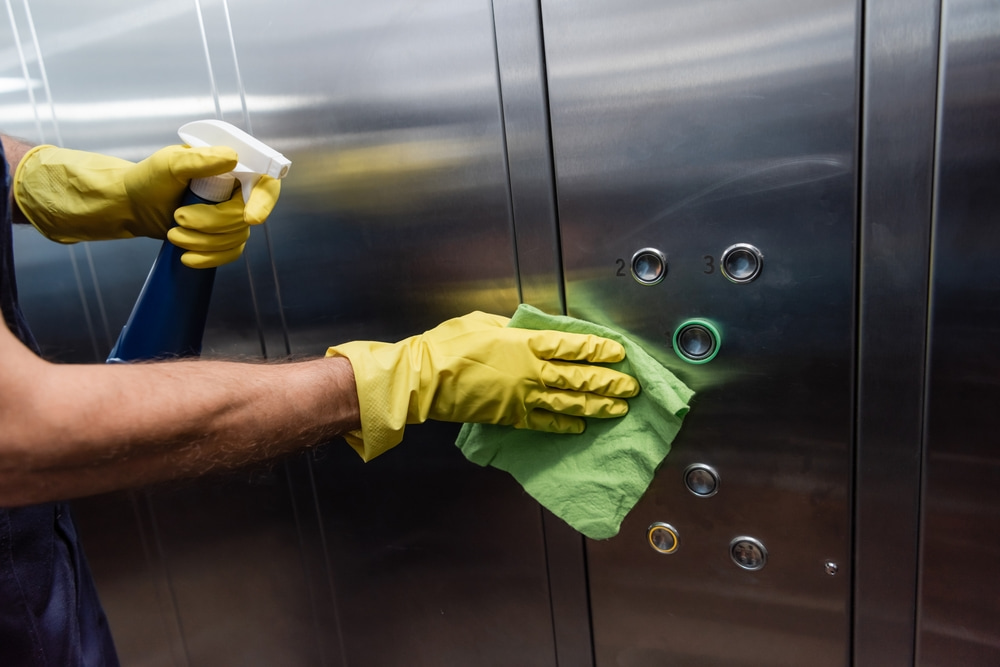
Door handles, light switches, and other frequently touched surfaces start showing signs of use pretty quickly too. Since high-touch surfaces need more frequent attention, it makes sense to follow the way people use the office instead of waiting until fingerprints become part of the décor.
That’s even more noticeable after a packed meeting or company gathering. Knowing ahead of time which areas feel the effects after an event makes the reset afterward feel much less like damage control.
How does foot traffic affect cleaning frequency?
People don’t have to make an obvious mess for a space to start looking worn. Sometimes it’s the same hallway being crossed over and over or the same patch of floor catching whatever came in from outside.
As that traffic builds, the building starts giving you hints. Floors lose their just-finished look, while shared surfaces collect smudges. Not every busy stretch calls for a complete reset. A well-timed check catches things before one muddy footprint somehow recruits twelve friends.
During busier periods, it helps to watch:
- Entry floors where dirt gets tracked inside
- Door glass that collects fingerprints
- Shared counters that rarely stay untouched
- Restrooms that see a steady stream of people
Restrooms make their feelings known pretty quickly. Once traffic picks up, knowing when busy restrooms could use another check stops a small issue from becoming the one thing everybody suddenly has an opinion about.
Hybrid schedules affect the pattern too. One day the office is buzzing, while another is quiet enough to make you wonder where everybody went. Understanding how changing attendance affects day-to-day upkeep helps attention follow the actual crowd instead of an old weekday routine.
How often should heavily used business areas be cleaned?
The good news is that busy spaces tell you what they need. You just have to notice when they start asking.
Check after the building has had a chance to get busy
First thing in the morning, almost everything looks fresh. Give it a few hours, though, and the building starts revealing its personality. That’s when patterns become easier to spot. Maybe the lobby starts looking rough around the same time each afternoon, or the break room needs another once-over shortly after lunch.
Once that becomes predictable, adding a check at the right point in the day keeps you from finding the problem after everyone else already has.
Let each day tell you where to focus
Some days the lobby is the troublemaker. Other days, the break room clearly woke up and chose chaos. That’s why a little flexibility goes a long way. If one part of the building is unusually busy, attention shifts there.
When things are quieter, there’s no reason to act as if every corner has been through rush hour. Once the routine follows what’s happening, keeping up with the workplace feels much less like chasing messes around all afternoon.
Who provides top commercial cleaning in Norwich for busy workplaces?
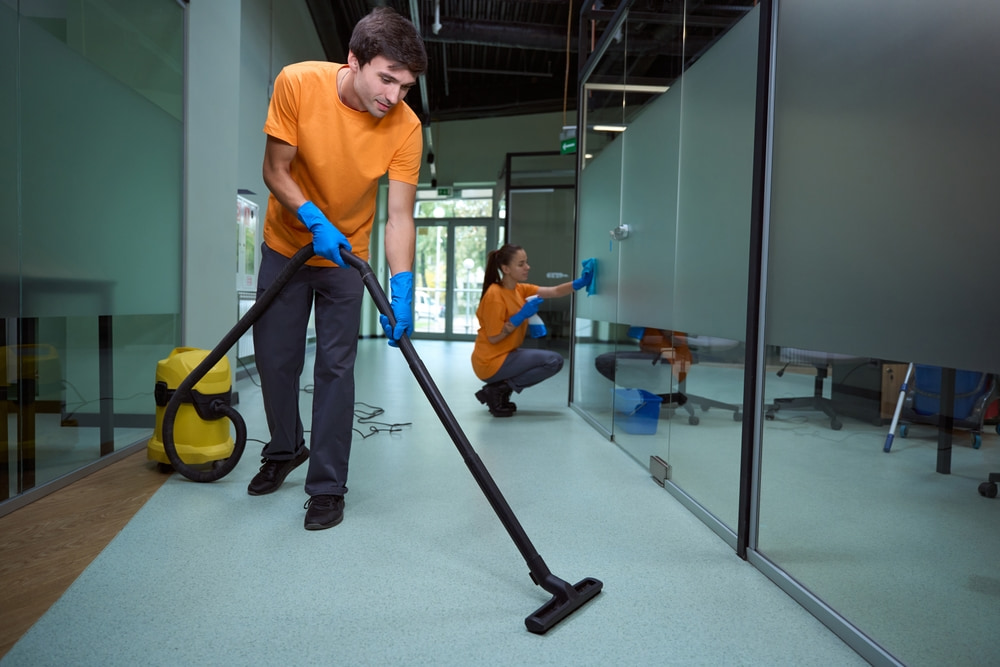 Orchid Maids focuses on the areas that see the most action, so a packed afternoon doesn’t leave the whole workplace looking worn out. If you’d rather spend a free hour around Uncas Leap Heritage Park than checking floors and wondering who filled the trash can again, that seems like a pretty fair trade.
Reach out today to build a routine around the way your workplace runs!